Smoke odor keeps returning on hot afternoons
We use thermal imaging to find the cavities holding residue, remove contaminated insulation and clean the framing, then seal with an encapsulant. That stops the cycle instead of masking it for a week.
Odor Removal After Fire in NEWBURY PARK, California means pulling smoke residue out of the structure, not masking it with fragrance. If your home still smells like a campfire weeks after the flames were put out, the soot has soaked into drywall, insulation and HVAC ducts. We find those pockets with thermal imaging and moisture meters, then run smoke odor elimination in NEWBURY PARK until a third-party sniff test comes back clean.
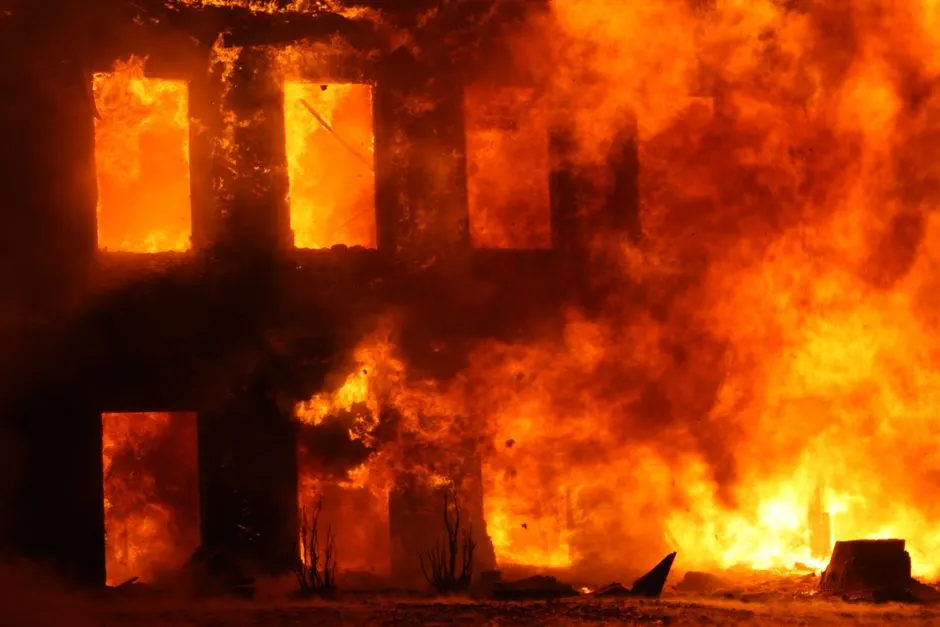
Odor Removal After Fire in NEWBURY PARK, California is a restoration process that locates and neutralizes smoke residue trapped in building materials, HVAC systems and contents. Smoke particles are tiny enough to pass through paint and settle inside wall cavities, which is why a kitchen fire in Casa Conejo can leave a bedroom on the far side of the house smelling like burnt plastic. Our crews use thermal imaging cameras to map soot travel, moisture meters to catch firefighting water still hiding in framing, and HEPA vacuums to pull loose particles before anything gets sealed.
Most calls we take in NEWBURY PARK come from homeowners who tried airing the place out for two or three weeks and got nowhere. The smell fades, then comes back the first hot afternoon. That pattern points to residue inside the HVAC plenum, attic insulation or subfloor. We run a full smoke odor elimination NEWBURY PARK assessment before quoting, so you know whether you are looking at a two-day scrub or a five-day structural dry-out with ozone treatment for smoke odor in NEWBURY PARK California.
Every job starts with a full inspection and a written scope, so you know exactly what is covered before we start. The inclusions below are standard on every odor removal after fire job in Newbury Park. If your situation calls for something beyond this list, such as full duct replacement or contents storage, we price it separately and show you why it is needed.
We map soot travel and hidden moisture with a thermal imaging camera and moisture meter, then photograph every affected zone. This is what tells us whether the odor is surface-level or coming from inside a wall cavity.
Plastic sheeting and negative air machines keep soot and odor from migrating into clean rooms during the work. On a multi-room job this is what protects bedrooms and closets that were not affected.
Every reachable surface gets HEPA vacuumed and chemically cleaned, including studs, joists, cabinet interiors and duct openings. Loose soot has to come out before any odor treatment can work.
We run air scrubbers with HEPA and carbon filtration for 24 to 72 hours, and use hydroxyl generators in occupied homes. This is the continuous phase that pulls odor particles out of the air and breaks them down.
For vacant homes, an ozone generator runs in 4 to 12 hour cycles until odor is neutralized. We ventilate and re-test before anyone re-enters, and we never treat an occupied space with ozone.
We re-check air quality with a particle counter and walk the house with you room by room. You get photos, readings and a written summary formatted for your insurance claim.
A technician walks the house with a thermal imaging camera and moisture meter, checking wall cavities, the attic, the crawlspace and the HVAC plenum. We photograph soot patterns and mark affected zones with tape. Expect 45 to 90 minutes depending on square footage. You get a written scope the same day.
We set negative air machines and plastic sheeting to keep soot from spreading into clean rooms. Charred drywall, insulation and lumber come out with a pry bar and drywall saw, bagged and hauled. This is the messy part, and it usually takes the first full day on a typical Newbury Park ranch home.
Every reachable surface gets HEPA vacuumed, then wiped with a restoration-grade cleaner. We detail studs, joists, duct interiors and the backs of cabinets. Ceilings and walls get a second pass because smoke rises and settles. This step runs one to two days on an average job.
Depending on what the inspection found, we deploy hydroxyl generators for occupied spaces or an ozone generator for vacant structures. Ozone treatment for smoke odor in NEWBURY PARK California typically runs 4 to 12 hours per cycle, and nobody is allowed inside during treatment. We ventilate and re-test before you return.
We run air scrubbers until particle counts drop to baseline, then walk the house with you room by room. If any area still carries odor, we treat it again before closing out. You leave with photos, readings and a written summary you can hand to your insurance adjuster.
Purpose-built equipment, used by trained technicians — so the job is done accurately the first time.
Maps temperature differences to reveal soot travel and hidden moisture inside wall cavities, ceilings and attic spaces without opening everything up.
Confirms whether firefighting water is still trapped in framing, which has to be dried before odor treatment or mold will follow.
Pulls fine smoke particles off surfaces and out of crevices without blowing them back into the air. The first physical step on every job.
Runs continuously with HEPA and carbon filtration to pull odor particles out of the air. We typically run these 24 to 72 hours per job.
Neutralizes odor in occupied homes safely. We use these when the family is still living in the house during treatment.
Stronger treatment for vacant structures. Runs in 4 to 12 hour cycles, and nobody is inside during treatment or ventilation.
Creates pressure differentials so soot and odor stay contained in the work zone instead of drifting into clean rooms.
A grease fire in a Casa Conejo kitchen was extinguished in under ten minutes, but three weeks later the bedrooms still smelled of burnt oil. The homeowner had aired the house out daily with no improvement. Inspection found smoke residue inside the HVAC plenum and in the attic insulation above the kitchen.
We removed the contaminated insulation, cleaned and sealed the plenum and ductwork, and ran air scrubbers for 48 hours. Particle readings returned to baseline, and the homeowner confirmed no odor returned through a full summer.
A garage fire in Dos Vientos melted wiring and sent smoke through the attic into the living space. The family stayed in the home, and the smell was strongest in the upstairs bedrooms. Thermal imaging showed residue in two wall cavities and the attic sheathing.
We opened the two cavities, removed contaminated insulation and drywall, cleaned the framing, and ran hydroxyl generators for three days with the family in place. Final readings were clean, and the family did not have to move out.
A fire in one unit of a Newbury Park Downtown apartment building affected three units through shared walls and a common HVAC system. The property manager needed all three units re-rented quickly and needed documentation for the insurance claim.
We contained each unit separately, cleaned and treated all three, and ran air scrubbers on the shared system. All three units passed verification within five days, and the claim was approved without a re-inspection.
Most of the calls we get are from people who already tried something that did not work. Here are the problems we run into most often and how we handle them.
Ask a pro →We use thermal imaging to find the cavities holding residue, remove contaminated insulation and clean the framing, then seal with an encapsulant. That stops the cycle instead of masking it for a week.
We clean the duct interiors, the plenum and the air handler, then run air scrubbers on the system. In severe cases we recommend duct replacement, and we document it for the insurance claim.
Our moisture meter work finds wet framing before we treat odor. We dry the structure first, treat any mold, then move to smoke odor elimination. Skipping the dry-out is why some jobs fail.
We photograph every affected cavity, log thermal and moisture readings, and write a line-item scope in the format California adjusters expect. That paperwork is part of the job, not an extra.
Typical 2026 pricing in this area runs $800 to $2,500 for a single-room fire and $3,000 to $8,000 for whole-house smoke odor elimination with duct cleaning and ozone treatment. Cost drivers include square footage, whether walls have to be opened, how many HVAC zones are affected, and whether contents need off-site cleaning. We quote a fixed price after inspection, so the number you see is the number you pay unless we find hidden damage and re-scope with you.
Fire Damage Restoration Newbury Park does, and we are reachable at (833) 929-6186 around the clock. We are an IICRC Certified Firm with FSRT and OCT certified technicians, licensed through the California Contractors State License Board. We serve Newbury Park Downtown, Dos Vientos, Rancho Conejo, Newbury Highlands, Peppertree, Casa Conejo, Ventu Park, Conejo Oaks, North Ranch and the surrounding Conejo Valley neighborhoods.
Most single-room jobs take two to four days from containment to final verification. Whole-house jobs with HVAC contamination and attic involvement run five to ten days. The variable is how long air scrubbers and hydroxyl generators need to run, which we determine by particle readings, not by a calendar. We give you a day-by-day schedule at the start and update you if anything changes.
Yes, ozone treatment neutralizes smoke odor at the molecular level, and it is the standard method for vacant structures. Hydroxyl generators are used when the home is occupied. Most California homeowner policies cover ozone treatment when it is part of a documented fire loss, and our reports are formatted to support that claim. We can also discuss affordable fire odor removal NEWBURY PARK California options if you are paying out of pocket.
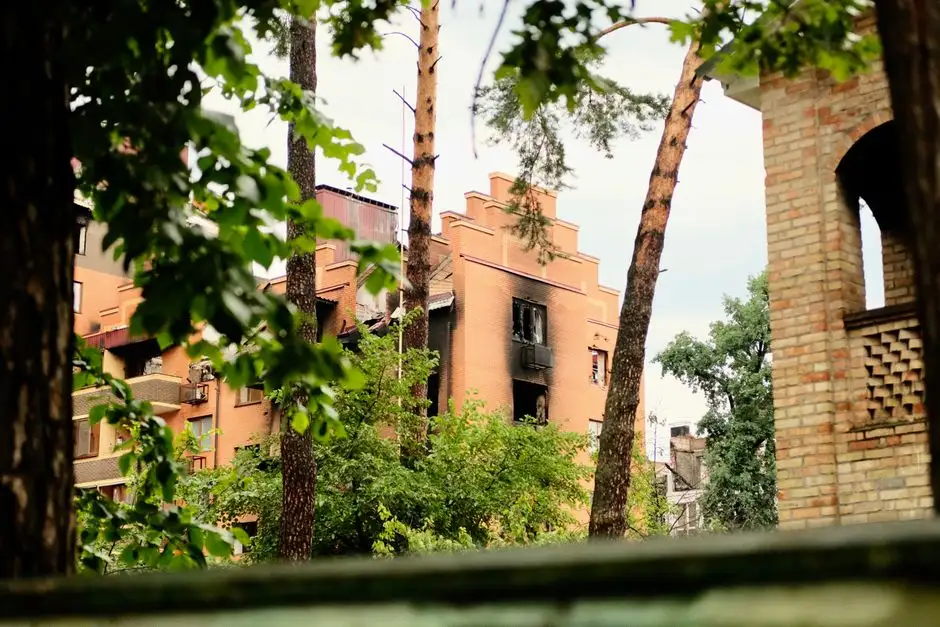 Smoke Damage RestorationSmoke damage restoration handles the visible residue and structural cleaning that has to happen before odor removal can succeed. We clean ceilings, walls, cabinets and ductwork, then move into odor neutralization. Most Newbury Park jobs run both services back to back.Explore →
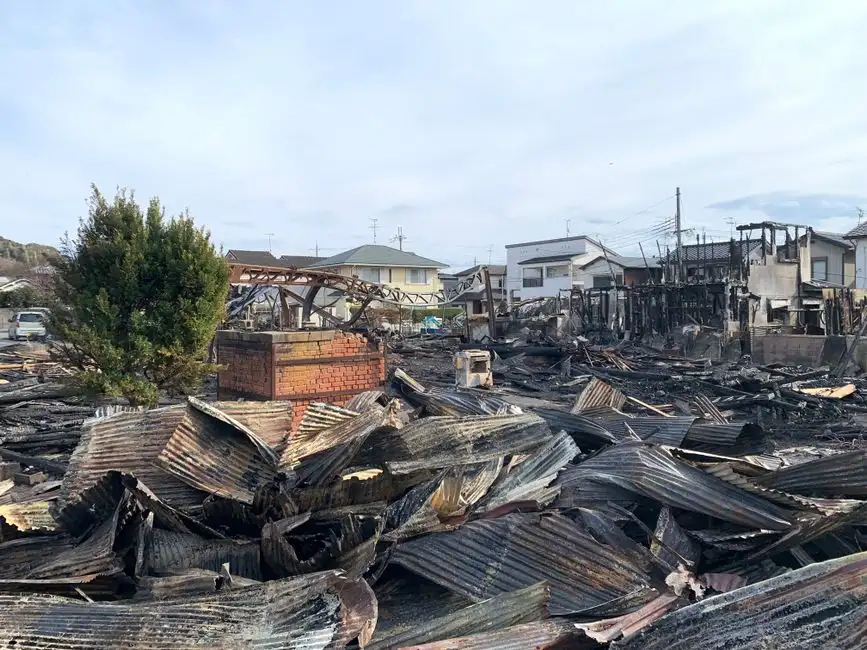 Fire Damage Clean UpFire damage clean up covers debris removal, charred material hauling and initial stabilization. It is the first phase on any job, and it clears the way for our odor removal after fire work. We handle both in one mobilization so you are not coordinating two contractors.Explore →
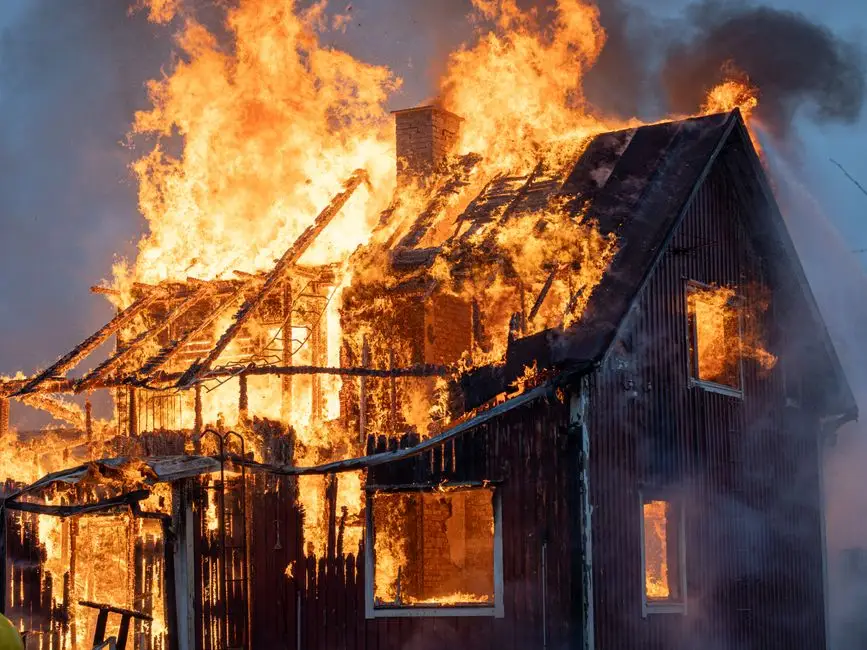 Emergency Fire Damage RestorationEmergency fire damage restoration is for the first 24 to 72 hours after a fire, when board-up, water extraction and air scrubbing matter most. Getting scrubbers running early dramatically reduces how deeply smoke odor settles into insulation and soft goods.Explore →
 Structural Repair After FireStructural repair after fire rebuilds what the flames and the firefighting water damaged: framing, drywall, roofing and finishes. We coordinate repairs with odor removal so newly installed materials do not absorb residual smoke smell from untreated cavities nearby.Explore →
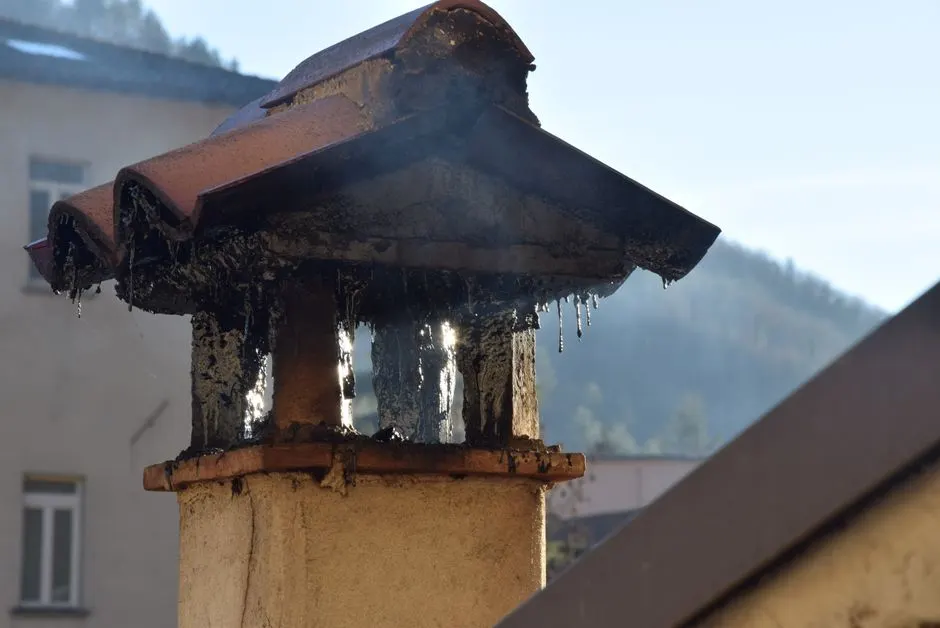 Soot RemovalSoot removal is the detailed cleaning step that pulls oily black residue off walls, ceilings, trim and contents. Skipping it traps odor under paint. We HEPA vacuum and chemically clean every surface before any encapsulant goes down.Explore →
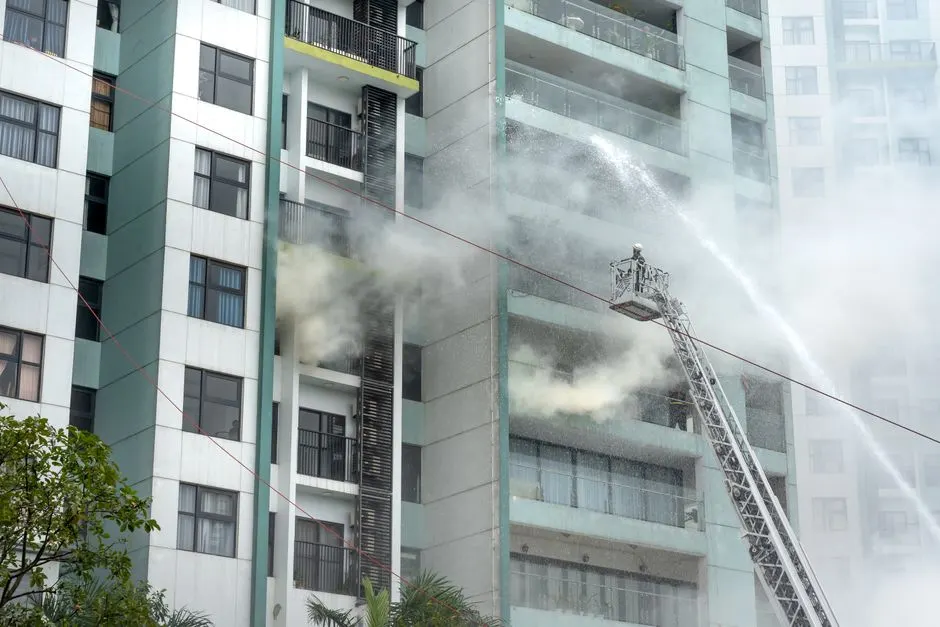 Smoke RemediationSmoke remediation covers the full scope of smoke-related damage, from surface cleaning to duct cleaning to air quality verification. It overlaps closely with odor removal after fire and is often bundled for a single insurance claim.Explore →
 Fire and Flood RestorationFire and flood restoration handles the one-two punch of fire damage followed by firefighting water. Water trapped in framing creates mold within 48 to 72 hours, so we extract and dry before odor treatment begins.Explore →
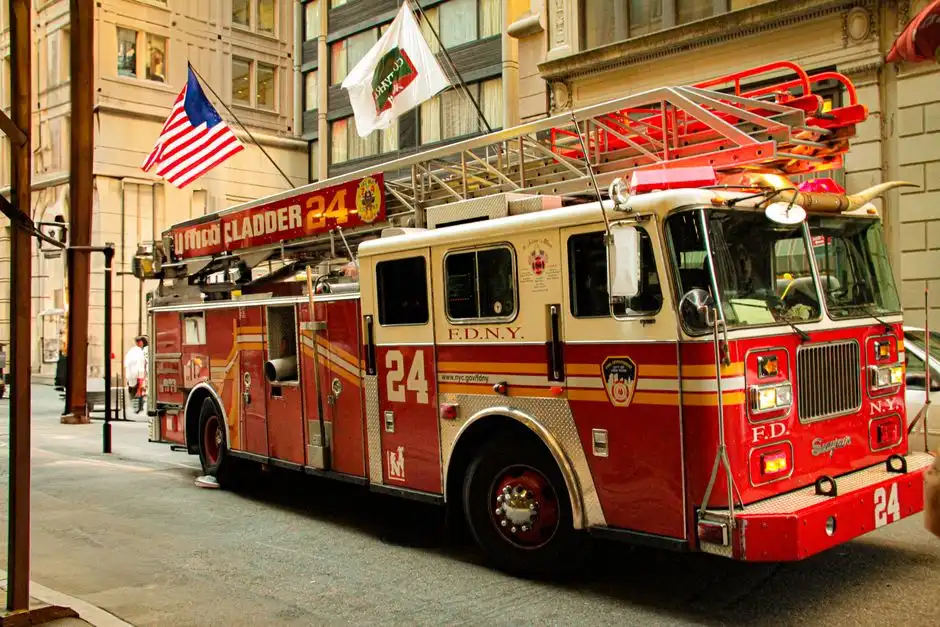 24 hour Fire Restoration24 hour fire restoration means we answer the phone at 2 a.m. and dispatch a crew. Smoke odor gets worse overnight as residue settles, so early response is the cheapest way to keep a small job small.Explore →
Smoke smell does not fade on its own, and every day it sits, it works deeper into insulation, ducts and framing. Call (833) 929-6186 and we will schedule an inspection, give you a fixed price, and put air scrubbers in the house the same day if you need them.
Call Now (833) 929-6186 →Call (833) 929-6186 any time, day or night. A live person answers, and we dispatch from Newbury Park. If you prefer email, send photos and your address to info@firedamagerestorationnewburypark.com and we will call you back within the hour during business hours. For emergencies, always call.